
Table of Contents
- Introduction
- The Rise of Eco-Friendly Commuting in Singapore
- Why Foldable E-Bikes Are Environmentally Friendly
- Comparing Foldable E-Bikes with Other Transportation Modes
- Practical Tips to Maximize Green Benefits
- Supporting Sustainable Urban Mobility
- Choosing the Right Foldable E-Bike for Eco-Friendly Commuting
- Conclusion
Introduction
As Singapore continues to urbanize, traffic congestion and air pollution have become pressing concerns. More residents are looking for eco-friendly commuting options that reduce carbon emissions while offering convenience and speed. Foldable e-bikes have emerged as a popular solution, combining compact design, electric assistance, and environmental benefits.
This guide explores how foldable e-bikes contribute to a greener lifestyle, how they compare to other transport options, and practical ways to maximize their eco-friendly potential.
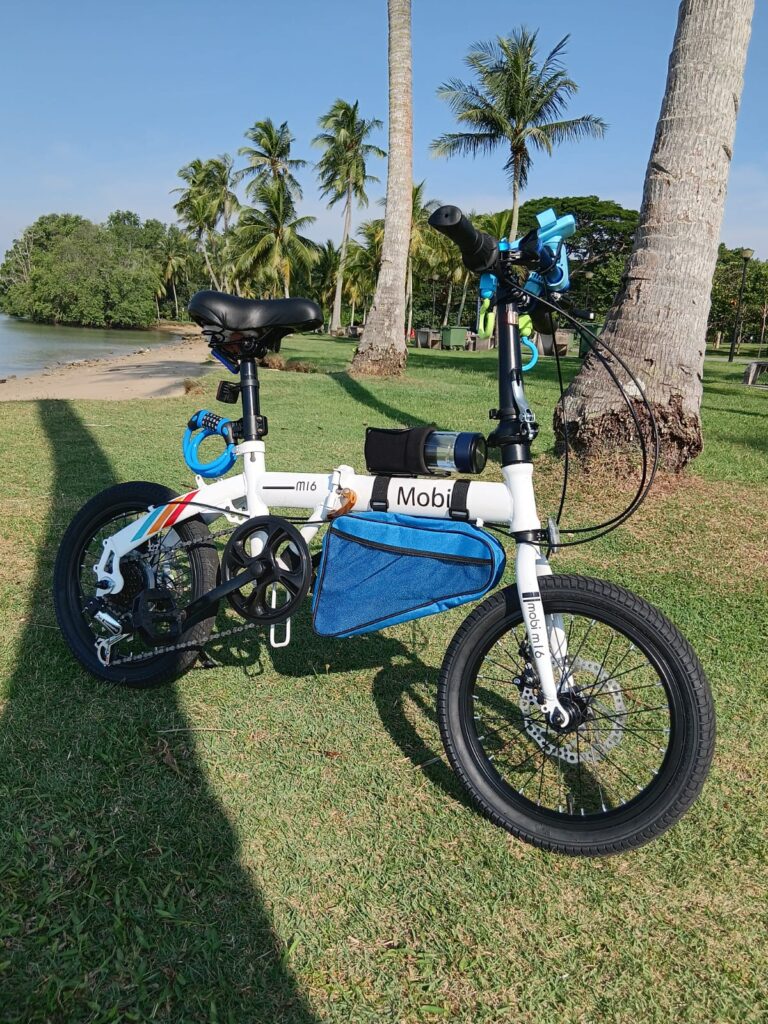
The Rise of Eco-Friendly Commuting in Singapore
Singapore has actively promoted sustainable transportation, encouraging residents to reduce reliance on private cars. Measures include expanding cycling paths, introducing e-bike-friendly regulations, and enhancing public transport connectivity.
Commuters are increasingly opting for greener alternatives, such as foldable e-bikes, which offer:
- Reduced traffic congestion
- Lower greenhouse gas emissions
- Flexible commuting options, especially for last-mile travel
- Cost savings compared to fuel-powered vehicles
The growing interest in sustainable commuting aligns with trends highlighted in Why More Riders Are Switching to E-Bikes in Singapore: A Smarter, Greener Way to Commute.
Why Foldable E-Bikes Are Environmentally Friendly
Foldable e-bikes provide significant environmental benefits compared to traditional cars, motorcycles, and even public transport.
1. Lower Carbon Emissions
Electric bikes use minimal electricity per ride, significantly reducing carbon output. A daily e-bike commute produces far less CO₂ compared to a car trip of the same distance.
2. Energy Efficiency
E-bikes are highly efficient for short and medium distances, consuming less energy per kilometer than cars or buses. Regenerative braking in some models further increases efficiency.
3. Space Optimization
Foldable e-bikes occupy minimal parking space, reducing the need for large car parks and the environmental cost of urban infrastructure.
4. Encourages Reduced Car Use
By offering convenience for last-mile commuting, foldable e-bikes reduce dependency on cars, further lowering traffic emissions.
5. Minimal Manufacturing Footprint
Compared to cars, foldable e-bikes require fewer materials and energy to produce, contributing to a smaller overall ecological footprint.
Comparing Foldable E-Bikes with Other Transportation Modes
Understanding the environmental advantages of foldable e-bikes requires comparison with alternative modes of transportation:
| Mode of Transport | Average CO₂ Emissions per km | Practical Notes |
|---|---|---|
| Private Car | 200–250 g | High emissions, parking challenges |
| Motorcycle | 100–150 g | Less efficient in traffic congestion |
| MRT / Bus | 50–80 g | Shared transport, depends on electricity source |
| Foldable E-Bike | 5–15 g | Zero tailpipe emissions, compact, flexible |
Switching from cars or taxis to foldable e-bikes for short commutes can drastically reduce a household’s carbon footprint while saving commuting time and cost.
Practical Tips to Maximize Green Benefits
Owning a foldable e-bike is just the first step. To make your commuting truly eco-friendly, consider these practices:
- Charge Using Green Energy: Where possible, use solar-powered or renewable energy sources to charge your e-bike battery.
- Ride Efficiently: Avoid rapid acceleration and unnecessary braking to extend battery life and reduce electricity consumption.
- Maintain Your Bike: Regular cleaning, chain lubrication, and tire checks ensure efficient performance, preventing wasted energy.
- Combine with Public Transport: Foldable bikes are perfect for MRT or bus integration, reducing car dependency.
- Encourage Others: Share your eco-friendly commuting experiences to inspire friends and colleagues to switch to greener options.
Supporting Sustainable Urban Mobility
Foldable e-bikes contribute to a more sustainable urban ecosystem by:
- Reducing traffic congestion during peak hours
- Lowering urban air pollution levels
- Promoting active, healthy commuting habits
- Complementing Singapore’s “Car-lite” initiatives
Infrastructure improvements, such as dedicated cycling paths and secure bike parking, enhance the benefits of e-bike commuting while making cities more livable.
Choosing the Right Foldable E-Bike for Eco-Friendly Commuting
Selecting the right model is critical to maximize both convenience and environmental impact. Consider:
- Battery Efficiency: Longer battery life reduces charging frequency and energy consumption.
- Weight: Lightweight bikes are easier to carry and fold, encouraging multimodal commuting.
- Durability: Quality materials ensure your bike lasts longer, minimizing waste.
- Folding Mechanism: Smooth folding reduces handling effort and encourages frequent use.
- Commuter-Friendly Features: Lights, mudguards, racks, and phone mounts improve usability and safety.
A detailed guide on selecting foldable e-bikes can be found in 10 Reasons Why a Foldable Bicycle Is Perfect for Modern Lifestyles.
Conclusion
Foldable e-bikes represent one of the most effective ways for urban residents to reduce their carbon footprint while maintaining flexibility and convenience in daily commuting. By combining efficient design, compact portability, and low energy consumption, these bikes are transforming the way Singaporeans navigate the city.
Adopting foldable e-bikes not only benefits the environment but also improves your health, saves commuting costs, and supports Singapore’s long-term sustainable urban development goals. With responsible usage and smart commuting choices, every ride on a foldable e-bike becomes a step toward a greener, cleaner, and more efficient city.